
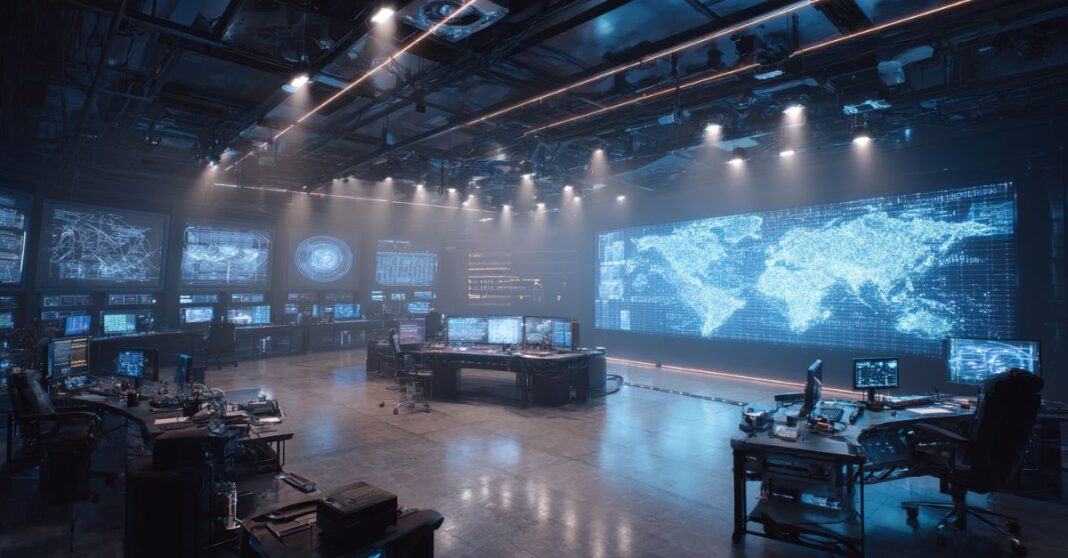

Pressure has been mounting inside national security work as state backed intrusions increased and digital targets multiplied. The gap between offense and defense narrowed as adversaries adopted automation and large scale intrusion capabilities. Pressure increased on US cyber teams to match that pace with faster methods that could examine complex networks and identify access points with fewer delays. That tension shaped a new opening for companies built by former operators who understood how slow manual work could limit mission timing.
That pressure broke into the open this year when Twenty secured up to $12.6 million in contracts to support US Cyber Command and the US Navy. The startup also raised a $38 million Series A round led by Caffeinated Capital. The combined momentum created a moment when military cyber AI became a practical tool instead of a long term possibility. Investors and national security agencies moved at the same time, which changed the pace of development and hiring inside the company.
→ Explore more developments signaling industry disruption.
Funding scale
Twenty’s Series A brought in $38 million with $26 million from Caffeinated Capital. Additional backing from General Catalyst and In Q Tel added institutional weight from groups with long standing visibility into defense programs. The company now employs 28 people and plans to hire engineers who can handle large scale data processing or operators familiar with complex network environments. That alignment between capital and mission timing supports a faster buildout of tools that automate tasks once handled by large teams.
Contract momentum
The government work covers offensive cyber missions for US Cyber Command and the US Navy. Contract documents describe tasks that support intrusion planning, exploitation workflows, and data analysis. Twenty’s platform identifies signatures that point toward government units, exposed systems, or infrastructure with exploitable conditions. These capabilities allow analysts to examine hundreds of targets at once instead of progressing through them by hand. That shift in scale shows how military cyber AI is becoming a normal part of operational planning.
Operator heritage
The founding team includes former cyber warfare specialists and intelligence officers with years of experience in high pressure missions. Their background shaped a system designed for speed and precision. The technology brings together automated mapping, data triage, and continuous monitoring across large target sets. Former operators often design systems that match the real constraints of mission timing and that influence appears throughout Twenty’s approach. The result is a platform that reduces time spent on manual workflows and frees analysts to focus on decision making.
Policy context
Federal direction also moved toward expanded offensive readiness. The National Cyber Strategy placed new emphasis on preemptive targeting while a one billion dollar budget allocation supported offensive operations. Senior officials described a need to pursue adversary hackers before they strike. These decisions increased demand for systems that accelerate discovery of exposed infrastructure or critical pathways inside foreign networks. Recent disclosures about intrusions into US telecommunications networks increased urgency inside Washington and opened more room for startups with specialized capabilities.
Forward signals
Upcoming indicators will show how quickly the sector grows. Hiring patterns across AI engineering and former operator communities will offer early clues. Additional contract awards will test whether more agencies adopt automated intrusion support. The arrival of new competitors would signal a maturing category. Policy changes inside the next federal budget could accelerate adoption or slow commitments. Each development will influence how fast military cyber AI moves from early deployment to broader integration.
Strategic significance
Military cyber AI is entering a stage defined by operational use rather than research prototypes. Twenty’s government agreements and funding round place the company inside a wave of activity shaped by faster decision cycles and rising national pressure. Investors concentrated capital around the tools that handle scale, speed, and precision inside modern intrusion work. If government agencies continue to adopt automation at this rate, the sector will carry more influence during the next cycle of national security spending. The direction now points toward wider use of AI inside offensive missions and rapid expansion of startups positioned to meet that demand.
Reference
Murphy, M. (2025, November 20). Cyber warfare startup nabs contracts to give US military hackers AI tools. Bloomberg. https://www.bloomberg.com/news/articles/2025-11-20/cyber-warfare-startup-nabs-contracts-to-give-us-military-hackers-ai-tools


